
The Meaning of a Verdict
The RainmakerThe case tests whether punishment, settlement, and courtroom truth can provide justice when the harmed family needs something the law cannot restore.
increasing Bearing strength in each event
 decreasing
Bearing strength in each eventdecreasingThe Offer on the Table
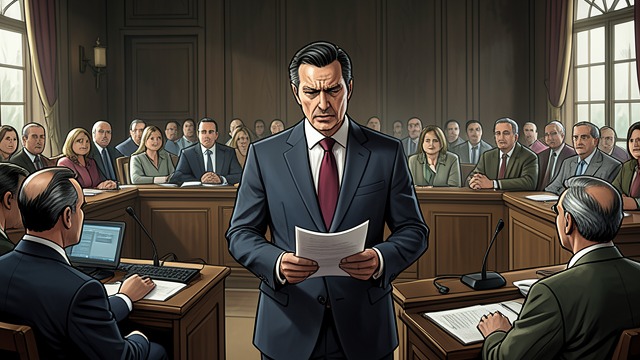
Settlement as a Choice
A Significant Sum
Great Benefit offers $75,000, later raising its offer as the case develops. For a financially secure plaintiff, the money might be a sensible resolution.
A Different Measure
Dot and Donny Ray do not treat settlement value as the only measure of success. The transplant is no longer possible, and they want the company’s conduct publicly tested.
The Client’s Instructions
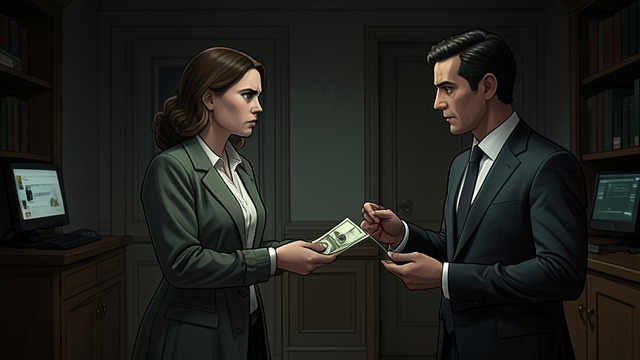
Refusing to Be Bought Off
Dot’s Decision
Dot refuses offers even when Rudy understands that a settlement could help her and Buddy. She wants a public account of how the claim was handled.
The Lawyer’s Duty
Rudy could have emphasized the risk of dismissal and encouraged acceptance for a large fee. Instead, he follows his client’s wishes and accepts the uncertainty of trial.
The Jury Hears the Son
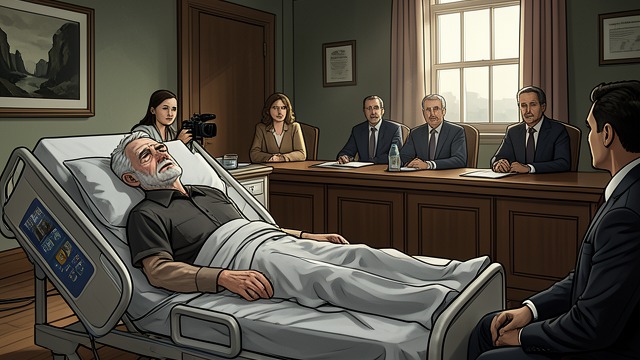
A Voice Preserved
Recorded Testimony
The jury watches Donny Ray’s videotaped deposition, recorded when he was already gravely ill. His face and weak voice make the consequences of delayed treatment concrete.
Evidence and Sympathy
The recording is not merely emotional display: it supplies testimony that the living witness cannot give. It joins the legal record to the human reality of the case.
Punishment Measured in Wealth
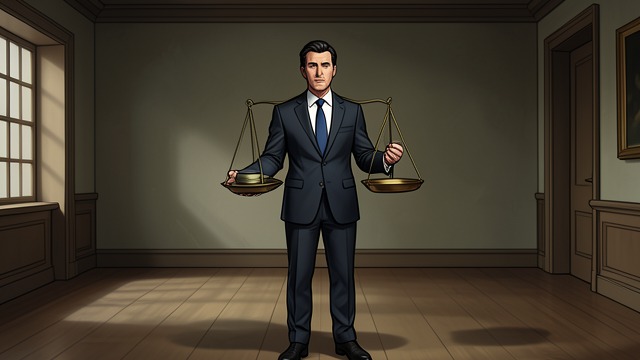
What Can Hurt a Corporation
The Proportional Analogy
Rudy asks jurors to consider what punishment would matter to a person with limited savings, then apply a similar proportion to a wealthy company. The example makes punitive damages intelligible.
Public Accountability
He argues that a small payment would be absorbed as a business cost. The requested punishment is meant to make deliberate denial consequential, not to restore what Donny Ray lost.
Justice after the Money
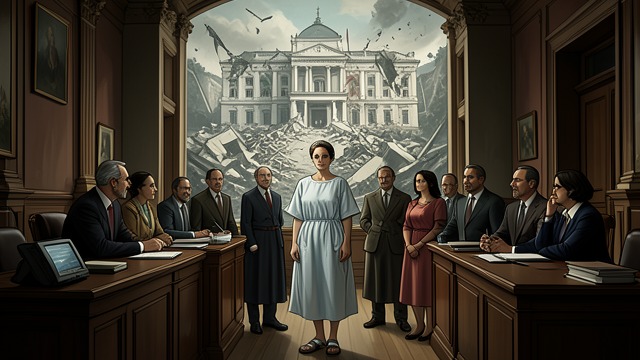
Vindication without Payment
The Award Undermined
Great Benefit’s bankruptcy raises doubts that Dot will receive the jury’s money. The legal victory cannot undo the illness, the delay, or the family’s financial loss.
A More Complicated Justice
Dot can still say the company was exposed and defeated in court, but the collapse shows that accountability depends on institutions capable of paying. The verdict’s moral force survives its uncertain practical value.
after the first motion hearing
before the final settlement discussions
late on the second trial day
during Rudy’s closing argument
after Great Benefit’s bankruptcy filing
